17 DAYS
A good number of years ago now my mother was closing in on her 28th hour of labor after having waited an extra three weeks for me to arrive, and exemplifying to women everywhere the reasons for contraception. By all accounts it was a miserable experience, followed by another six months dealing with a colicky baby. I don’t know why they were surprised when I did not have children. I know, of course, that women say it’s worth it and I fully acknowledge the wonder of new life. However, enough time has passed that I think it’s safe to say my own life is no longer new. At this point I’ve earned a graduate degree, had a couple major organs removed, gotten the requisite glasses for old people, and obtained a major back injury. I have sleeping problems, waking problems, mental health issues, marital issues, and a potential bunion. This part of getting older is not fun, and I think it’s the discomfort that drives most people to either go into denial or reach a phase or two of reflection, pondering the meaning of it all.
This spring my husband has actually named something for me that has resurrected from my childhood. Because of the earlier mentioned back injury I’m no longer able to run. This has led to a necessary reconciliation to the idea of walking as exercise. Imagine me sighing. I just did. It never counted as exercise before. It was for other people who didn’t have the desire to push through the pain, sweat in the rain and grit their teeth so that their brains would stop spinning and they could be purely physical. That’s what running was for me. It’s taken me a good couple of years to accept the slow path. My brain keeps pumping away at thoughts. That is, it spins its usual frenetic cycles until I see something beautiful. Flowers have begun to stop me in my tracks. I pull out my trusty iPhone, decide not to care about appearances, crouch in whatever position is necessary and capture the riveting bloom to some degree of satisfaction. Sometimes I concede and realize I cannot do it justice, and sometimes I am doggone proud of my unskilled photography. It is always a life-giving moment.
Keith caught me at it because he was going to pick me up from my usual walk route from our condo one day. He has me on the creepy Find-a-Friend app without which we’d never be able to find each other. He watched me leave the condo and within two blocks he saw the little blue dot that was me hovering for several minutes at a corner, unmoving. He decided to go around the block a few times to give me a little more walking time. I soon proceeded down some stairs, around a corner, down another block, and then stopped again, hovering like a hummingbird sipping nectar. He caught up with me at our favorite neighborhood garden. He smiled and said, “It’s just like when you were in kindergarten.”
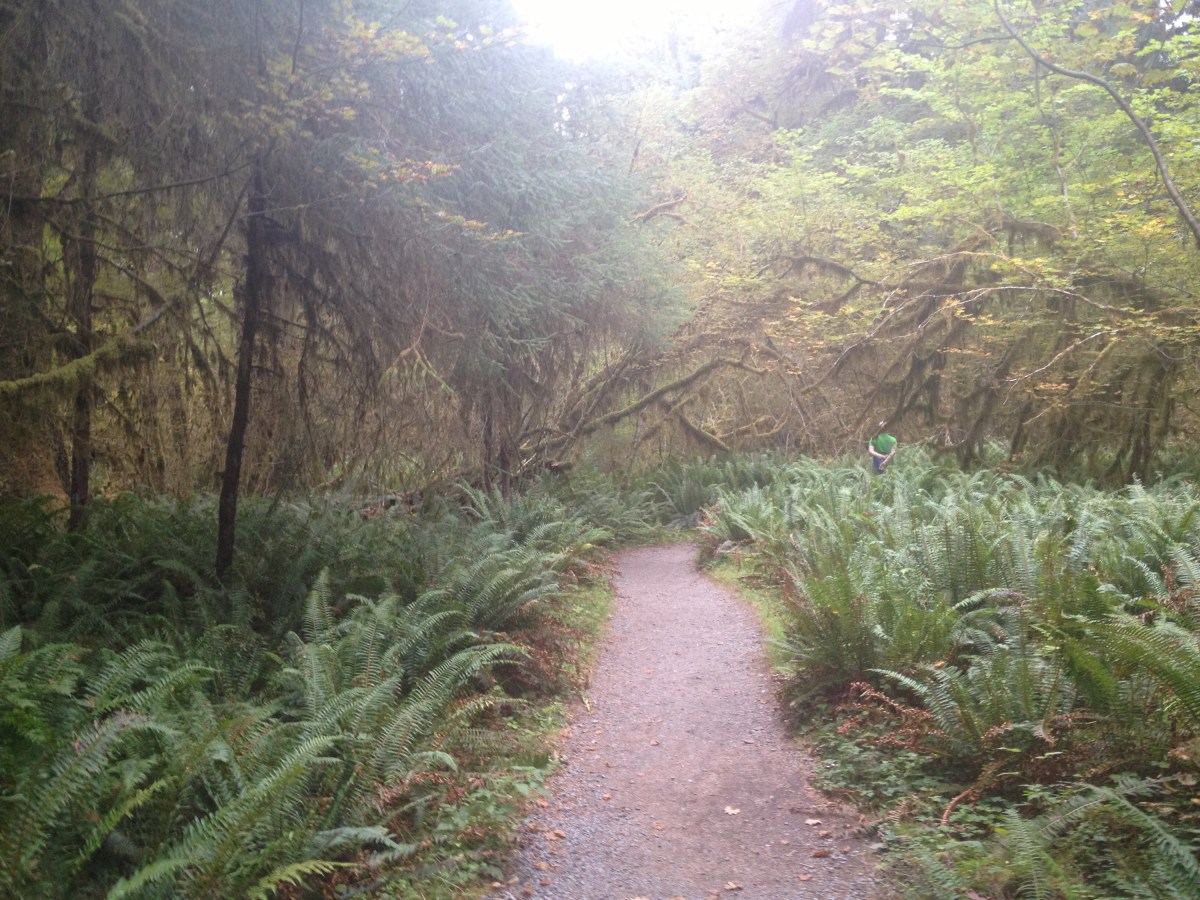
Oh my God! I hadn’t put that together! I was late 17 times for the first half of kindergarten even though it was only three blocks from my house. It was the only thing besides daydreaming that ever merited a note to my parents. I wasn’t late because I didn’t want to go to school. I was late because I was enraptured by everything along my path. I didn’t want to study like a scientist, either. I wanted to discover and love. I longed for the fuzzy caterpillars to crawl down my index finger and wave their searching antennae in the open air. I wanted to study the pattern in the veins of the leaves. I wanted to gently prod the pill bugs so they’d roll up in their delightful balls and I wanted to marvel at the colors and patterns of the flowers. All I remember about kindergarten itself is an empty hall full of coats, scarves and snow boots. Those 17 days though, I remember really well.
It’s been a while. Now I’m teaching interior design, and since hearing William McDonough speak at a conference I have become compelled to research issues around environmental care. I’ve incorporated it into every class from space planning to materials for interior use, to design history and now a course that I am proud to say expands my reach to the fashion program. I have a wider audience with my textiles class, and I love it. I want to spread news of how things are being created and manufactured in the world, what we’re using and where it ends up at the end of its life. I am a fountain of horrifying information regarding the chemicals that we use with utter disregard for human health. It makes me really fun at parties. But there’s a link here, and I haven’t shifted from delight to what might be considered politics just to make my readers miserable. It really goes back to those 17 days. My whole life goes back to those 17 days.
In those 17 days, for which I was roundly punished, I developed a profound love affair with the natural world. My heart filled with so much love that now, decades later, I walk down the sidewalk to my university office and quietly whisper “I love you” to the frenetic squirrels, wispy ferns and majestic trees. I love nature so much it hurts, and I mean that in a physical way. When I learn of the latest environmental catastrophe my chest aches and there is nothing that will soothe it. Does this mean I don’t care about humans? Of course not! How in the world are humans supposed to live healthy lives without abundant access to clean water, soil and air? The concepts of care for nature and care for humans are inextricably intertwined. My students will tell you, at least by their senior years, that I’m ridiculously soft-hearted. I have to tell them at the front end of each quarter that just because I’m nice, it doesn’t mean I have low academic standards. I’m nice and I write extremely difficult exams out of love, because I want them to be prepared for the world.
Basically though, I’m a mush-ball of affection, and this world is hard on people like me. The hardest part of getting older for me (besides those missing organs) is the increasing knowledge of how much we humans are causing suffering on multiple levels everywhere I look. Knowledge is a hard thing for a soft heart to bear, which actually means I am one tough mother. It takes guts to stay soft and know what I know.
So here’s my resolve as I move forward. I’m embracing the love of my inner kindergartener. I’m determining to stay soft while I keep daring to learn more. That’s the impetus behind my application for doctoral programs this spring. I am willing to bear the pain if it means I have a better platform for speaking a little bit louder, having more credentials so I can publish and maybe even reach the people who mistakenly believe that caring for the environment means leaving humanity behind. If I have to bear this pain, I am going to make it mean something. I need to be part of creating change in our manufacturing systems so that kindergarteners everywhere have the ability to walk out their front doors and experience the wonder of an unspoiled world. If you’re Christian, nature points to God. If you’re not, nature points to health. Caring for it is a win-win for everyone, everywhere and I haven’t even gotten to the related issues around slavery and social justice. It’s depressing to talk about the startling suicide rates among cotton farmers in India on my birthday.
On this day I’m committing to love and clinging like mad to wonder. Those flowers that I photograph will keep me alive, along with hugs from friends. I will soak in the sound of the rain in the trees and continue saying “I love you” as I walk around campus, sometimes to people and sometimes to the chattering squirrels. There are plenty of people out there, muttering anger and hate. If muttering love makes me eccentric, so much the better. I already have the purple hair.
 Not Quiet Any More